The ADHD Medication and Breakfast Connection Most Parents Don't Know About
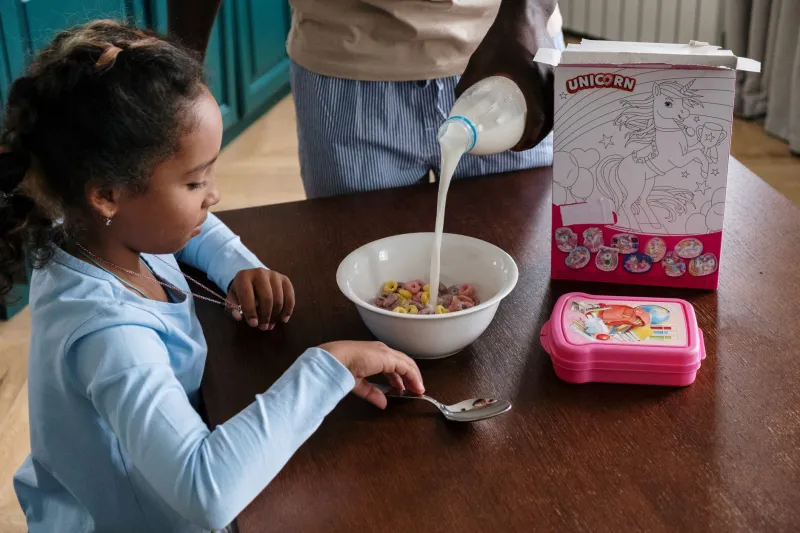
Mornings in a household with an ADHD kid can feel like a full-contact sport. You're reminding someone to put on both shoes, hunting for a permission slip that was definitely on the counter last night, and simultaneously trying to get a pill into a child who isn't remotely hungry yet. Sound familiar?
Here's the thing: that last part—the "not remotely hungry" piece—matters more than most parents realize. The relationship between food and ADHD stimulant medications is genuinely important, and it's one of the most underappreciated pieces of the morning routine puzzle.
Why an Empty Stomach Can Be a Problem
Most common ADHD medications—including amphetamine-based drugs like Adderall and methylphenidate-based drugs like Concerta or Ritalin—are stimulants. When taken on an empty stomach, they get absorbed into the bloodstream very quickly. That might sound like a good thing, but it often isn't.
Rapid absorption can mean a sharper, faster spike in the drug's concentration in the body, which can actually increase the likelihood of side effects like nausea, stomachache, headache, and irritability. Some kids describe feeling jittery or "weird" in the first hour of school—and for many of them, skipping breakfast is the culprit.
Beyond the discomfort factor, there's also the appetite suppression issue. Stimulant medications are well-known for reducing hunger, especially as they peak during midday. If your child hasn't eaten anything before that appetite suppression kicks in, they may go from breakfast to dinner without eating much of anything—which affects their energy, mood, and ability to concentrate in the afternoon when the medication starts to wear off.
Does Food Change How the Medication Actually Works?
This is where it gets a little more nuanced, and it depends on the specific formulation your child takes.
For some extended-release formulations, eating a high-fat meal right before taking the medication can actually delay how long it takes for the drug to reach peak levels in the bloodstream—sometimes by several hours. That's not ideal if you need the medication working during first period. For other formulations, food has a more modest effect on absorption timing but still helps reduce stomach upset significantly.
The bottom line? A moderate, balanced meal before medication is almost always better than nothing—and in most cases, better than a very high-fat breakfast immediately before dosing. Your child's prescribing doctor or pharmacist can give you guidance specific to the exact medication and formulation your child is on, so don't hesitate to ask.
What Makes a Good Pre-Medication Breakfast?
You don't need to become a short-order cook. The goal is something reasonably balanced that won't sit too heavily in the stomach or cause its own issues. Think of it as building a foundation—a little protein, a little fat, some complex carbohydrates—rather than a gourmet spread.
Some solid options that tend to work well:
- Eggs any style – scrambled, hard-boiled the night before, or even a quick microwave egg cup. Protein-rich and filling without being heavy.
- Whole grain toast with nut butter – easy, fast, and provides a mix of protein and complex carbs. If nut allergies are a concern, sunflower seed butter works great.
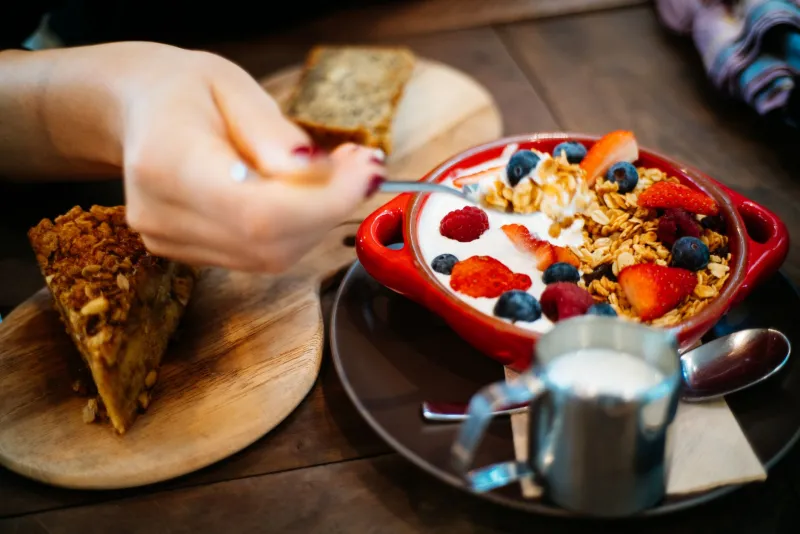
- Greek yogurt with fruit – protein plus natural sugars for quick energy, and most kids actually like it.
- Oatmeal with a protein add-in – stir in some peanut butter or top with nuts and a drizzle of honey. It's warm, comforting, and genuinely sustaining.
- A smoothie with real ingredients – blend milk or a protein-rich milk alternative with banana, some nut butter, and maybe a handful of spinach (they won't taste it, we promise). This is especially useful for kids who say they're "not hungry" in the morning—drinking something feels less daunting than eating.
What to avoid right before medication: super high-fat meals like a big plate of bacon and buttery biscuits, or anything acidic like orange juice in large amounts (vitamin C can interfere with the absorption of some amphetamine-based medications—another thing worth discussing with your pharmacist).
The "I'm Not Hungry" Problem
Here's the catch. Many kids with ADHD have irregular appetite patterns even before medication enters the picture. Some genuinely wake up without much appetite. Others are so distracted by the chaos of getting ready that eating feels like one more thing on an already overwhelming list.
A few strategies that parents have found genuinely helpful:
Start small and non-negotiable. You don't need a full breakfast—you need something. Even half a banana and a few bites of yogurt is better than nothing. Lower the bar and stick to it.
Prep the night before. Hard-boiled eggs, overnight oats, pre-made smoothie bags in the freezer—anything that removes friction from the morning makes it more likely to actually happen.
Separate breakfast from getting ready. Some kids do better eating first, before the chaos of finding backpacks and getting dressed begins. Others do better eating in the car on the way to school. Figure out what works for your family's rhythm, not what should work in theory.
Make it appealing. A smoothie in a fun cup, a "breakfast wrap" that feels different from a regular meal, or even eating while watching a few minutes of a favorite show can make breakfast feel like less of a battle. You're not bribing—you're problem-solving.
Talk to your child's doctor about timing flexibility. In some cases, if mornings are truly unmanageable, there may be options for adjusting when or how the medication is given. That's a clinical conversation worth having.
The Afternoon Piece of the Puzzle
One more thing worth mentioning: because stimulants suppress appetite at peak hours, many kids with ADHD eat very little at lunch. This means the afternoon snack and dinner become more important than they might be for other kids. A nutrient-dense after-school snack—cheese and crackers, apple slices with almond butter, a small bowl of hummus with veggies—can help stabilize energy and mood as the medication wears off.
Think of your child's eating day as a kind of arc: front-load what you can in the morning, accept that midday might be light, and make sure the back half of the day has some nutritional substance to it.
The Takeaway
ADHD medication doesn't exist in a vacuum—it's part of a bigger picture that includes sleep, routine, and yes, food. Getting something into your child's stomach before that morning dose isn't just about preventing a stomachache. It's about giving the medication the best possible conditions to do its job, keeping your child comfortable, and making sure they're not running on empty by the time afternoon rolls around.
None of this has to be perfect. Real families have chaotic mornings. But even small, consistent changes to the breakfast routine can make a noticeable difference in how your child's day actually goes—and that's worth a few extra minutes of planning.