It's Not Just Antibiotics: The Medications That Are Quietly Reshaping Your Child's Gut

Every parent has heard the advice: if your kid takes antibiotics, give them some yogurt or a probiotic to protect their gut. It's become almost reflexive at this point. But what most families don't realize is that antibiotics aren't the only prescription in the medicine cabinet with a significant impact on gut bacteria. Not by a long shot.
The human gut microbiome—the vast, complex community of bacteria, fungi, and other microorganisms living in your child's digestive tract—is sensitive to far more than just antibiotics. A growing body of research is revealing that several classes of commonly prescribed pediatric medications can meaningfully alter the composition of gut bacteria. And since that microbial community plays a central role in digestion, immune function, and even the gut-brain connection that influences mood and behavior, the downstream effects can be surprisingly wide-ranging.
Why the Pediatric Microbiome Is Especially Vulnerable
A child's gut microbiome isn't just a smaller version of an adult's. It's still actively developing. From birth through early adolescence, the microbial community in the gut is being shaped by diet, environment, illness, and—yes—medication exposure. Disruptions during this developmental window can have effects that persist longer than they would in a fully mature adult microbiome.
This doesn't mean parents should avoid necessary medications. It means they should be aware, ask questions, and understand what nutritional support might help their child's gut recover and maintain balance.
The Medications That Matter Beyond Antibiotics
Proton Pump Inhibitors (PPIs) and Antacids
PPIs like omeprazole are prescribed to children for acid reflux and related conditions with increasing frequency. These medications work by dramatically reducing stomach acid—but stomach acid isn't just there to cause heartburn. It's part of the gut's natural defense system, killing off harmful bacteria before they reach the intestines.
When stomach acid is chronically suppressed, the microbial landscape of the upper GI tract shifts. Research has found that long-term PPI use is associated with reduced diversity in gut bacteria and an increased presence of bacteria that don't normally thrive in an acidic stomach environment. Some of these changes are linked to a higher risk of gut infections. If your child is on a PPI long-term, it's worth discussing with their doctor whether the dose is still necessary and what gut-supportive nutrition might help.
Stimulant Medications for ADHD
Medications like methylphenidate and amphetamine salts don't directly target gut bacteria the way antibiotics do, but their effects on appetite and eating patterns create indirect microbiome consequences. These medications often suppress appetite significantly, which can lead to reduced food variety and lower intake of fiber-rich foods—the primary fuel source for beneficial gut bacteria.
A child who barely eats during the day because of stimulant-related appetite suppression is effectively starving the microbes that depend on a diverse, fiber-rich diet. Over time, this can reduce microbial diversity. Strategic meal planning—front-loading nutrition before the medication kicks in and offering gut-friendly foods in the evening when appetite returns—can help offset this.
Antihistamines
Long-term use of antihistamines, particularly older first-generation types, has been associated with changes in gut motility—essentially, how quickly food and waste move through the digestive tract. Slowed gut transit time can alter the bacterial environment because different microbes thrive at different points in the intestine. Second-generation antihistamines used daily for allergies may have subtler effects, but the research on their long-term microbiome impact in children is still developing.
Nonsteroidal Anti-Inflammatory Drugs (NSAIDs)
Ibuprofen is practically a household staple for managing children's fevers and pain. Used occasionally, it's generally considered safe. But more frequent or long-term use of NSAIDs is associated with changes to the gut lining's integrity—essentially making it more permeable—and shifts in microbial composition. Children with chronic inflammatory conditions who use NSAIDs regularly may benefit from particular attention to gut-supportive nutrition.
Corticosteroids
Oral corticosteroids, used for conditions ranging from severe asthma flares to inflammatory bowel disease, have well-documented effects on the gut microbiome. They can reduce populations of beneficial bacteria like Lactobacillus and Bifidobacterium while creating conditions that favor less desirable microbial residents. Kids who go through repeated courses of oral steroids may benefit from more consistent, targeted gut support.
Recognizing When Your Child's Gut Needs Support
The microbiome doesn't send obvious distress signals, but there are patterns worth noticing:
- Persistent digestive complaints—bloating, irregular stools, stomach cramps—that began or worsened after starting a medication
- Increased susceptibility to infections, particularly recurring colds or GI bugs, which can reflect a shift in immune function
- Changes in mood or behavior that seem connected to digestion (the gut-brain axis is real and clinically recognized)
- Food intolerances that seem to have developed after a period of medication use
None of these symptoms are definitive proof of microbiome disruption, but they're worth raising with your child's healthcare provider.
What to Feed Your Child Based on Their Medication
Rather than giving generic gut health advice, it helps to think about what specific medications are doing—and feed accordingly.
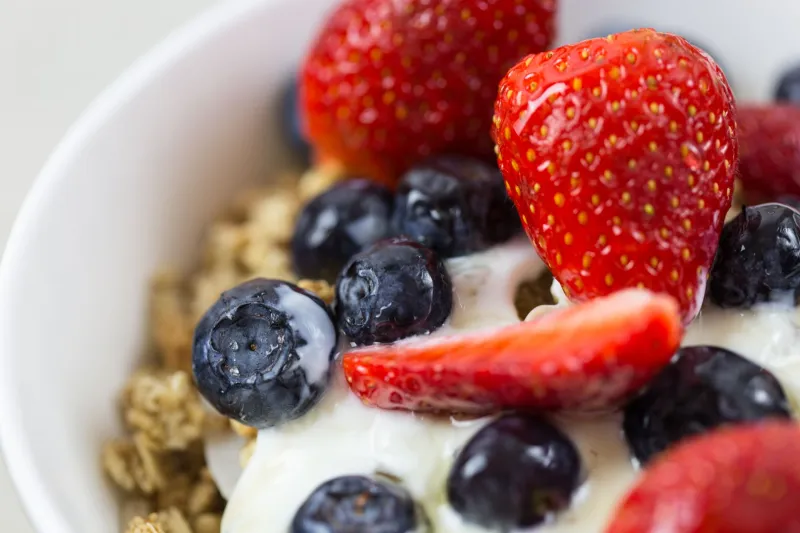
For kids on PPIs or antacids: Focus on fermented foods that introduce beneficial bacteria: plain yogurt with live cultures, kefir, and (for adventurous older kids) small amounts of miso or kimchi. These help replenish microbial diversity that stomach-acid suppression may have reduced.
For kids on ADHD stimulants: The window of appetite matters. Mornings before medication kicks in and evenings when appetite returns are prime opportunities. Prioritize high-fiber foods—oats, beans, fruits, vegetables—that feed gut bacteria. Smoothies can be a practical way to pack in nutrition when appetite is low.
For kids on or recently finishing corticosteroids or antibiotics: Both Lactobacillus and Bifidobacterium strains have the most research support for post-antibiotic and post-steroid recovery. Yogurt with live active cultures, kefir, and prebiotic-rich foods like bananas, oats, garlic, and onions are all solid choices. A pediatric probiotic supplement may be worth discussing with your child's doctor.
For kids on long-term NSAIDs: Gut-lining support matters here. Foods rich in omega-3 fatty acids—fatty fish like salmon, walnuts, flaxseed—have anti-inflammatory properties that may help support the gut lining. Bone broth, while not a miracle cure, contains compounds that support mucosal integrity and is easy to incorporate into soups and cooking.
For kids on antihistamines: Keeping gut motility healthy means prioritizing fiber and adequate hydration. Fruits, vegetables, and whole grains give the gut the bulk it needs to keep things moving at the right pace.
A Note on Probiotic Supplements
Probiotic supplements for kids have become a crowded market, and the quality varies enormously. Not all strains do the same thing, and a supplement that's right for post-antibiotic recovery may not be the best choice for a child on long-term steroids. Before adding a probiotic supplement to your child's routine, have a conversation with your pediatrician or a registered dietitian who works with kids. Food-based sources of beneficial bacteria are generally a safe first step that doesn't require a professional consultation.
The Bigger Picture
Medications exist for good reasons, and the goal here isn't to make parents anxious about every prescription. It's to fill a gap in the conversation that happens at most doctor's appointments. Knowing that your child's gut is being affected—and knowing what you can do about it through food—puts you in a stronger position to support their overall health while their treatment does its job.