Sweet Medicine, Bitter Consequences: How Your Child's Liquid Prescription Could Be Quietly Damaging Their Teeth
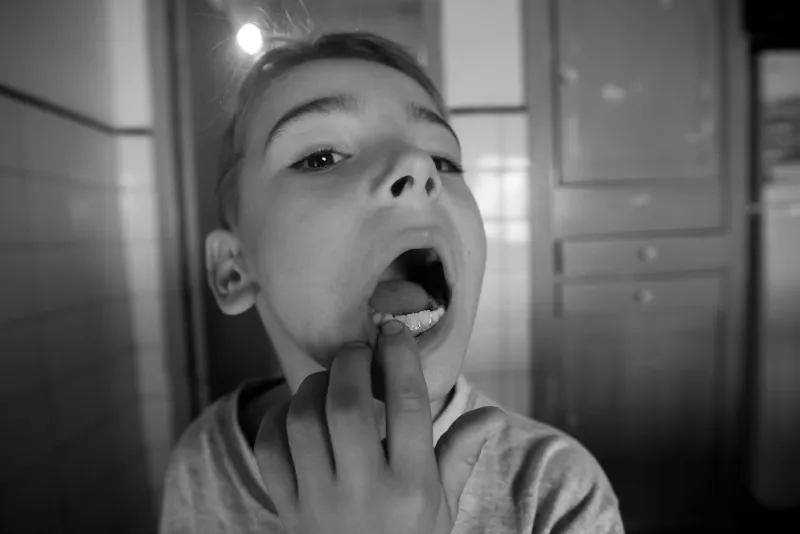
You've done everything right. You picked up the prescription, you figured out the dosing schedule, and you even managed to get your six-year-old to actually swallow it. Victory, right? Maybe—but there's a side effect that almost nobody talks to parents about: what that syrupy, grape-flavored medication is doing to your child's teeth every single time they take it.
This isn't about fear-mongering or making an already stressful situation harder. It's about giving you information that your pharmacist probably didn't mention and your dentist might not even know to ask about. Because when it comes to pediatric liquid medications, the sweeteners that make them kid-friendly can quietly set the stage for cavities, enamel erosion, and long-term dental problems—especially for kids on ongoing prescriptions.
Why Pediatric Medications Are So Sweet in the First Place
Here's the honest truth: most medications taste awful. The active ingredients in common children's prescriptions—antibiotics, antihistamines, seizure medications, asthma controllers—are intensely bitter on their own. Pharmaceutical companies solve this problem the same way candy makers do: they add sweeteners.
The most common culprits include sucrose (plain table sugar), high-fructose corn syrup, and sugar alcohols like sorbitol, xylitol, mannitol, and maltitol. Some of these are more tooth-friendly than others. Xylitol, for example, actually has some evidence behind it for reducing cavity risk. But sucrose and high-fructose corn syrup? Those are essentially cavity fuel—especially when they're sitting on your child's teeth multiple times a day.
And it's not just liquid suspensions. Chewable tablets, dissolvable strips, and gummy-format vitamins or medications all carry similar risks. Anything that lingers in the mouth or coats the teeth with sugar creates an opportunity for the bacteria that cause cavities to thrive.
Which Medications Pose the Highest Risk?
Not all liquid meds are created equal when it comes to dental impact. A few categories deserve extra attention:
Antibiotics: Many commonly prescribed pediatric antibiotics—amoxicillin suspension being one of the most widely used in the US—contain significant amounts of sucrose to improve palatability. A short course (say, 10 days) probably won't do lasting damage if your child has decent oral hygiene. But some children end up on repeated antibiotic courses throughout the year, and that cumulative sugar exposure adds up.
Long-term daily medications: This is where the real concern lies. Kids who take liquid or chewable medications every day—for conditions like epilepsy, ADHD, asthma, or allergies—are exposing their teeth to sweeteners on a regular, ongoing basis. Medications like liquid antihistamines, certain stimulant medications in liquid form, and some anticonvulsants fall into this category.
Antacids and reflux medications: Many liquid antacids marketed for children contain sweeteners and are sometimes given multiple times a day. Kids with GERD already have an elevated cavity risk because stomach acid can erode enamel—adding sugar to the mix compounds the problem.
Iron supplements: Liquid iron supplements are notoriously difficult to make palatable and often contain sucrose. They're also known to stain teeth, which is a separate but related concern.
How Frequent Dosing Makes It Worse
Dentists talk about something called "acid attacks." Every time sugar hits your teeth, the bacteria in your mouth feed on it and produce acid as a byproduct. That acid erodes enamel. Your saliva works to neutralize this acid, but it takes about 20 to 30 minutes to do so after each exposure.
Now imagine your child is taking a sweetened liquid medication twice a day, every day. That's two additional acid attack cycles on top of whatever they're eating and drinking. For a child who's already snacking frequently or drinking juice regularly, those extra exposures can tip the balance toward cavity formation—especially in kids under age 8, whose enamel is still maturing and more vulnerable than adult enamel.
Timing matters here too. Medications given right before bed—without any brushing afterward—are particularly problematic. Sugar sitting on teeth overnight, with minimal saliva flow, is essentially an ideal environment for cavity-causing bacteria.
Practical Strategies to Protect Your Child's Teeth
The good news: you don't have to choose between your child's health and their dental health. A few targeted strategies can significantly reduce the risk.
Ask about sugar-free formulations. It's always worth asking your pediatrician or pharmacist whether a sugar-free version of the medication exists. Not all do, but some are available—and if your child is going to be on a medication long-term, it's absolutely worth the conversation. Some compounding pharmacies can even reformulate medications with sugar-free bases if a commercial version isn't available.
Time doses strategically. If possible, give liquid medications before a meal rather than after, so that eating and drinking can help rinse away residue. Avoid giving sweetened meds right before bed unless absolutely necessary—and if a bedtime dose is required, follow it with a thorough tooth brushing.
Rinse after dosing. A simple water rinse after taking liquid medication can help clear sugars from the tooth surface. This isn't a replacement for brushing, but it's a quick, easy step that makes a real difference, especially for mid-day doses.
Don't skip brushing. It sounds obvious, but it's worth emphasizing: if your child takes a liquid medication twice a day, make sure at least one of those doses is followed by brushing with a fluoride toothpaste. The fluoride helps strengthen enamel and offers some protection against the acid damage caused by sugar exposure.
Tell your dentist. This one is underused. At your child's next dental appointment, mention every medication they take regularly—including any vitamins or supplements in liquid or gummy form. Your dentist can assess whether there are early signs of enamel erosion or cavities forming, and may recommend additional fluoride treatments or sealants as a protective measure.
Consider the delivery method. If your child is old enough to swallow a pill, it may be worth asking whether a non-liquid formulation is available. Tablets and capsules bypass the mouth much more quickly and don't coat the teeth the same way syrups do.
A Word on Sugar Alcohols
You may notice that some medications list sorbitol or xylitol as sweeteners rather than sucrose. Sorbitol is less harmful to teeth than sugar but still fermentable by some oral bacteria, so it's not completely off the hook. Xylitol, on the other hand, actually inhibits the growth of Streptococcus mutans—the main bacteria responsible for cavities—and has genuine dental benefits. If you have a choice between formulations, one containing xylitol is generally the better option for dental health.
That said, xylitol and other sugar alcohols can cause digestive upset (gas, bloating, loose stools) in some children when consumed in larger amounts, so they're not without trade-offs.
The Bottom Line for Parents
Medications keep kids healthy—full stop. No one is suggesting you skip doses or abandon a prescription because of cavity concerns. But dental health is part of overall health, and the connection between sweetened pediatric medications and tooth decay is real enough that it deserves a spot on your radar.
A quick conversation with your pharmacist about what's in your child's medication, a word with your dentist about their current prescription, and a few simple habit adjustments around dosing and brushing can go a long way. You've already done the hard work of getting your kid to take their medicine. Now you can make sure their smile comes out intact on the other side.