The Youth Sports Aisle: What Your Kid Actually Needs After Practice (and What's Just Marketing)
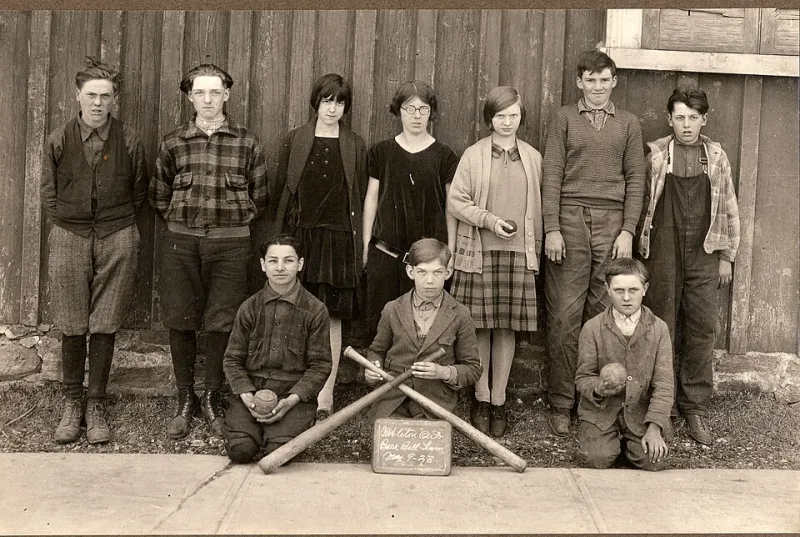
Photo: Unknown authorUnknown author, Public domain, via Wikimedia Commons
If your child plays travel soccer or club volleyball, you've probably noticed it: the sideline cooler full of neon-colored bottles, the teammate chugging a protein shake after practice, the ads on the sports app your middle schooler follows promising faster recovery and bigger gains. The supplement industry discovered youth sports a while ago, and it is very good at what it does.
So let's do the thing the ads won't: sort these products into two piles. One pile contains things that occasionally, in specific situations, help young athletes. The other pile is basically expensive packaging.
Sports Drinks: Sometimes Useful, Mostly Not
Sports drinks were designed for a specific scenario — sustained, high-intensity exercise lasting over an hour, especially in heat. In that scenario, replacing fluid, sodium, and carbohydrates genuinely matters. A 14-year-old in the second game of a summer tournament in Texas is a legitimate candidate for an electrolyte drink.
A seven-year-old at a 40-minute Saturday morning practice is not. For the vast majority of youth sports — practices, rec league games, PE class — water does the entire job. Kids' sweat rates are lower than adults', and a pre-game meal plus normal meals afterward cover electrolyte replacement just fine.
Two other reasons to reach for water first: sports drinks contain a meaningful amount of sugar (a 20-ounce bottle can have 30+ grams), and regular sipping on sweetened drinks between practices is an easy way to rack up calories kids don't need. The American Academy of Pediatrics has been clear that water is the appropriate hydration for most young athletes, with sports drinks reserved for prolonged, intense activity.
One more flag: "low-sugar" and "zero" versions of these drinks aren't automatically better for kids. They're usually just artificially sweetened water, and the habit of associating every activity with a special beverage is itself part of the marketing you're paying for.
Protein Shakes: Your Kid Almost Certainly Doesn't Need One
This one comes up constantly with teens in strength sports, and the answer is almost always no. Here's why.
Protein needs for young athletes are real, but they're easily met through food. A teenager who eats breakfast, a sandwich at lunch, and a normal dinner is consuming plenty of protein to support muscle growth from training. What builds muscle in adolescents is training plus calories plus sleep — not a scoop of powder. Most protein shakes deliver 20 to 30 grams per serving, which is roughly what your child gets from a peanut butter sandwich and a glass of milk. The sandwich also comes with carbs, fiber, and micronutrients. The shake comes with a chalky aftertaste.
There's also a safety dimension worth taking seriously. Protein powders and other dietary supplements are not tested by the FDA the way drugs are, and independent testing has repeatedly found supplements contaminated with substances not listed on the label — including in some cases ingredients banned in competitive sports. For a young athlete subject to drug testing or simply trying to stay healthy, that's an avoidable risk with no upside.
"Performance" Supplements: A Hard No
Pre-workout powders, creatine, caffeine pills, "energy" products — this category deserves a blunt answer: growing bodies don't need performance enhancement, and some of these products are actively inappropriate for adolescents. Pre-workout formulas often pack caffeine doses comparable to multiple cups of coffee, which can cause jitteriness, rapid heartbeat, and disrupted sleep — the same sleep that's actually responsible for athletic recovery. Creatine is widely studied in adults and is generally safe for that population, but there's limited long-term safety data in adolescents, and no good reason to accept that uncertainty when food and training do the job.
If your child is asking about these products — and teens, especially, will — treat it as a conversation, not a lecture. The question underneath "should I take creatine?" is usually "how do I get stronger?" That's a question worth answering well: progressive training, adequate food, real sleep, and patience. It's a less exciting answer than a tub of powder, but it's the true one.
The Actual Post-Game Playbook
So what should go in the cooler? Boringly effective stuff:
- Water, available throughout practice and games.
- A real snack within an hour after hard activity if the next meal is far off — chocolate milk, a banana with peanut butter, a turkey sandwich, trail mix. Carbs to refill energy stores, protein to support muscle repair, fluid to rehydrate.
- A normal meal afterward. Not a "recovery protocol." Dinner.
That's it. It costs less, it carries no contamination risk, and it teaches your child something the supplement aisle never will: that their body is well-equipped to recover from exercise given ordinary food and rest.
The youth sports economy will keep selling your kid the idea that ordinary isn't enough. It is. Feed them dinner, fill the water bottle, and let the training do the training.